
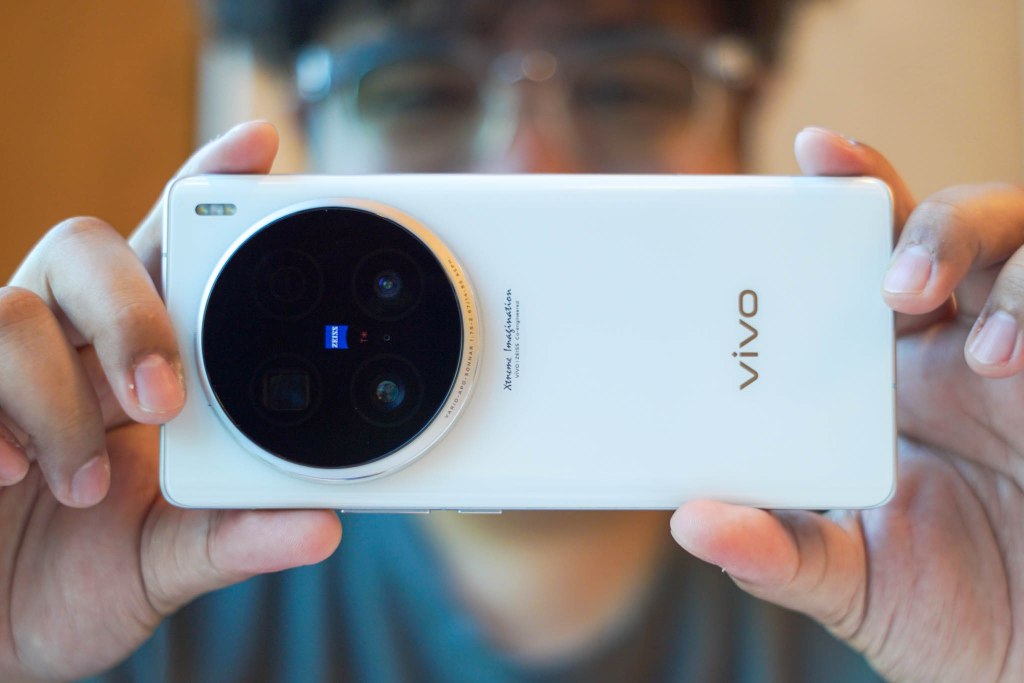
If there’s one thing I never leave home without, it’s my double dose of tech. As a self-proclaimed sucker for shiny new toys—especially in the smartphone category, I’ve been chasing the bleeding edge since 2013, when I first dipped my toes into the Android ecosystem. Then the pandemic hit, and like many of us, I had a wake-up call. It became clear that even for the average consumer, having two phones wasn’t just a luxury—it was a practical necessity: one for personal use and one strictly for the 9-to-5 grind.
I usually carry two devices with me, an iPhone for work-related tasks and an Android device to satisfy my passion for photography. While my iPhone serves as a reliable tool for professional matters, my Android phone is where I unleash the inner photographer in me. I’ve always been a fan of Huawei’s camera technology, but in recent years, other Chinese OEMs have managed to refine and perfect Huawei’s formula, making the Android landscape even more exciting for photography enthusiasts like myself.
Searching for the Big Bad
Smartphones have come a long way since the days of VGA cameras, when 0.3-megapixel shooters were considered the norm. I’ve seen firsthand how mobile photography has evolved over the years—not just in terms of megapixel count, but also in the size and quality of the sensors being used. What started as a basic point-and-shoot experience has now transformed into something far more powerful.

Today’s smartphones don’t just compete with other phones when it comes to camera performance—they’re actually giving entry-level digital cameras a serious run for their money. It’s amazing how something that once just took grainy selfies can now capture stunning, detailed shots worthy of a professional touch.
In 2024, Vivo quietly disrupted the flagship smartphone landscape with a bold move—launching the Vivo X100 Ultra, a device so powerful and polished that it turned heads well beyond its original market. Although it was officially a China-exclusive release, that didn’t stop global tech enthusiasts from getting their hands on it. And once they did, the verdict was unanimous: this was no ordinary flagship.
Here’s why the Vivo X100 Ultra became one of the most talked-about smartphones of the year—despite never leaving China’s borders.
Display: A Feast for the Eyes
The X100 Ultra boasts a 6.78-inch AMOLED display that feels less like a screen and more like a portal. Whether you’re binge-watching your favorite series or editing 4K videos on the fly, this display pulls you in with rich colors, razor-sharp details, and brightness levels that make outdoor use effortless—even under direct sunlight.

With a refresh rate of up to 120Hz, the fluidity is instantly noticeable. Scrolling feels buttery smooth, animations are seamless, and gaming becomes a visually immersive experience. For anyone who values screen quality, this isn’t just a spec—it’s a daily delight.
Battery Life: Endurance You Can Count On
Smartphone fatigue from constant charging? The X100 Ultra says goodbye to that. Packing a 5500mAh battery, this device is built to last. Casual users can go almost two full days without reaching for a charger, while power users easily get through an intense day of multitasking, streaming, and shooting high-res content.
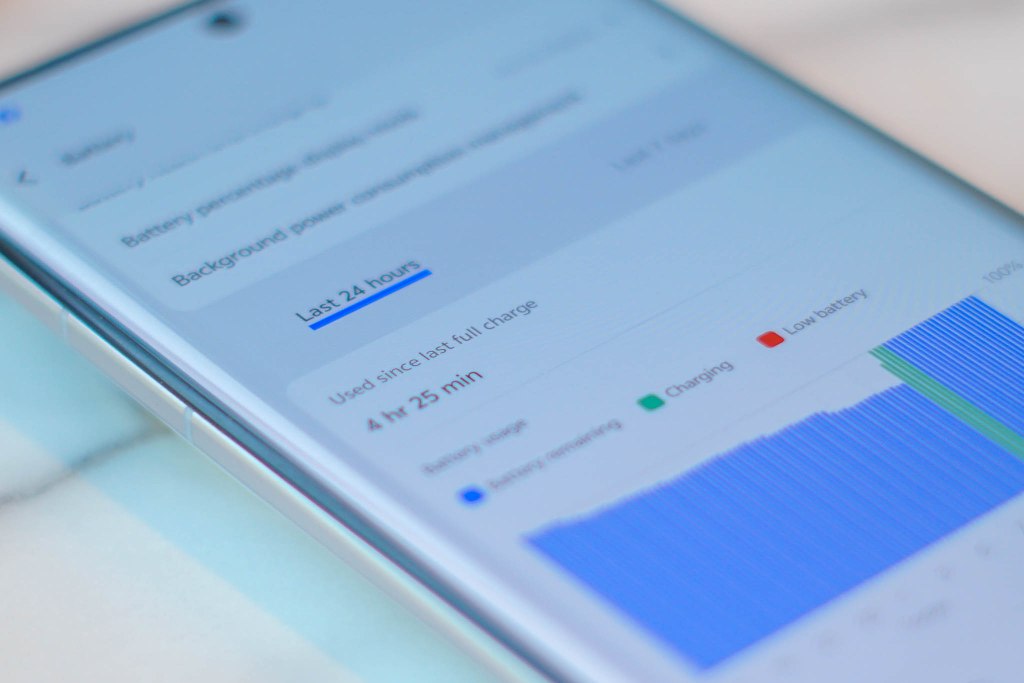
When it’s finally time to plug in, 100W wired fast charging and 50W wireless charging bring the battery back to life in no time. Vivo clearly didn’t just want to build a phone that performs well—they wanted one that keeps up with your life.
System-on-Chip: Snapdragon 8 Gen 3, Refined
Under the hood, the X100 Ultra runs on the Snapdragon 8 Gen 3, Qualcomm’s high-end flagship chip. Performance is fluid and responsive, whether you’re gaming with ultra settings, toggling between apps, or editing videos in real-time.
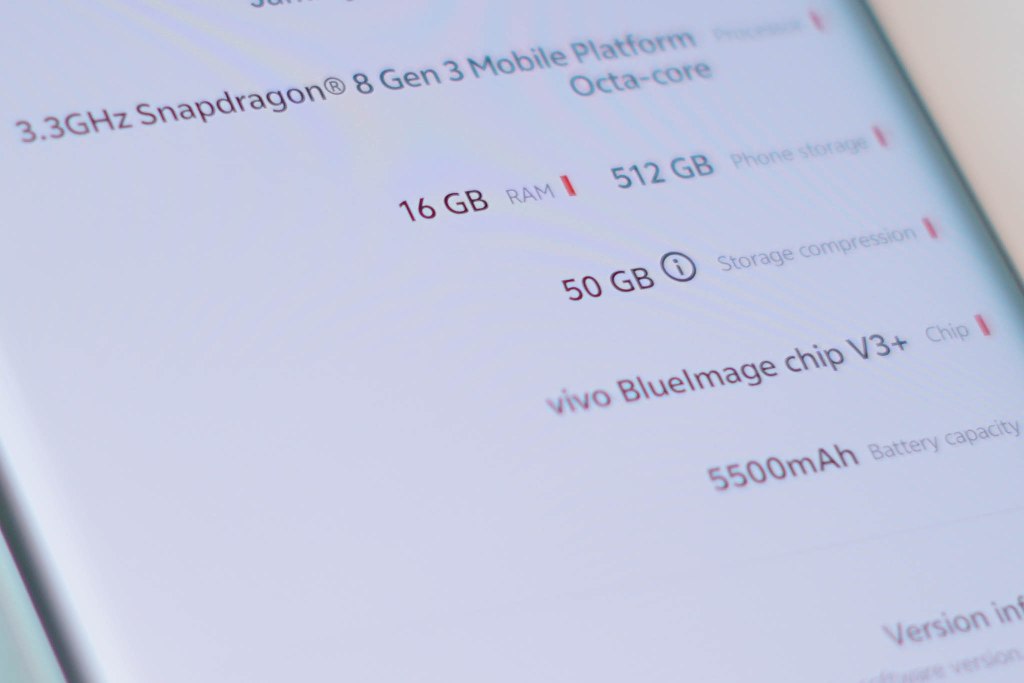
What’s interesting is the comparison between the regular Snapdragon 8 Gen 3 and its succeeding “Elite” version (found in select devices like the Galaxy S25 Ultra or Xiaomi 15 Ultra). While the Elite chip boasts a slightly higher CPU and GPU clock speed, in real-world use, the X100 Ultra holds its own. Benchmarks may tip the scale toward the Elite variant, but in daily performance? Most users won’t even notice the difference—especially with Vivo’s optimizations and cooling systems working quietly behind the scenes.
Camera System: Innovation at its Boldest
This is where the Vivo X100 Ultra truly earns its “Ultra” name. The triple-camera setup is not just good—it’s groundbreaking.
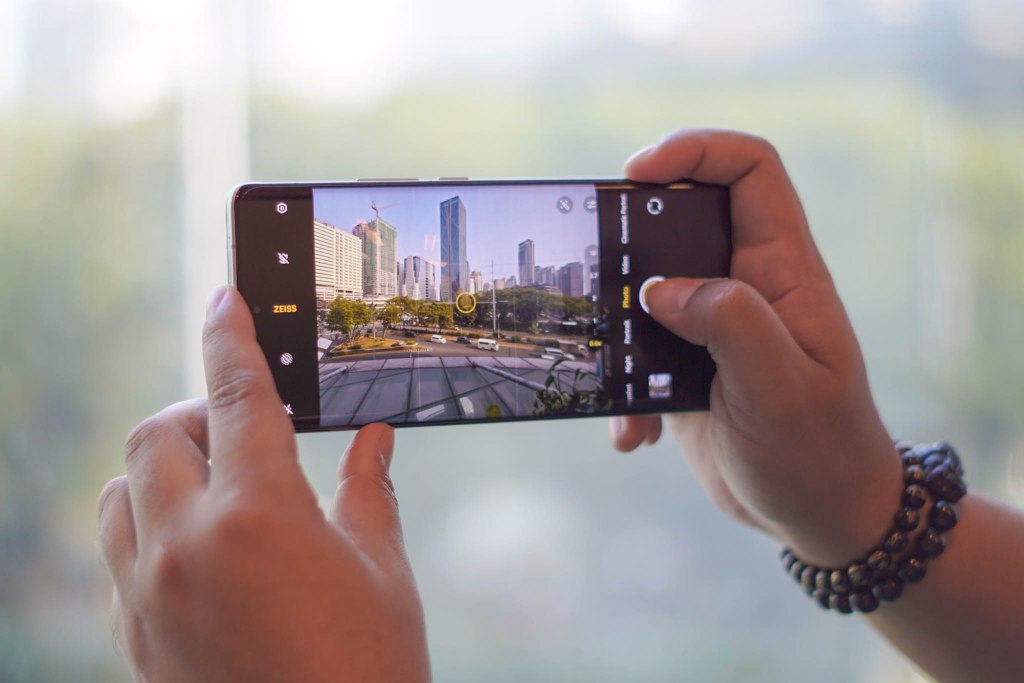
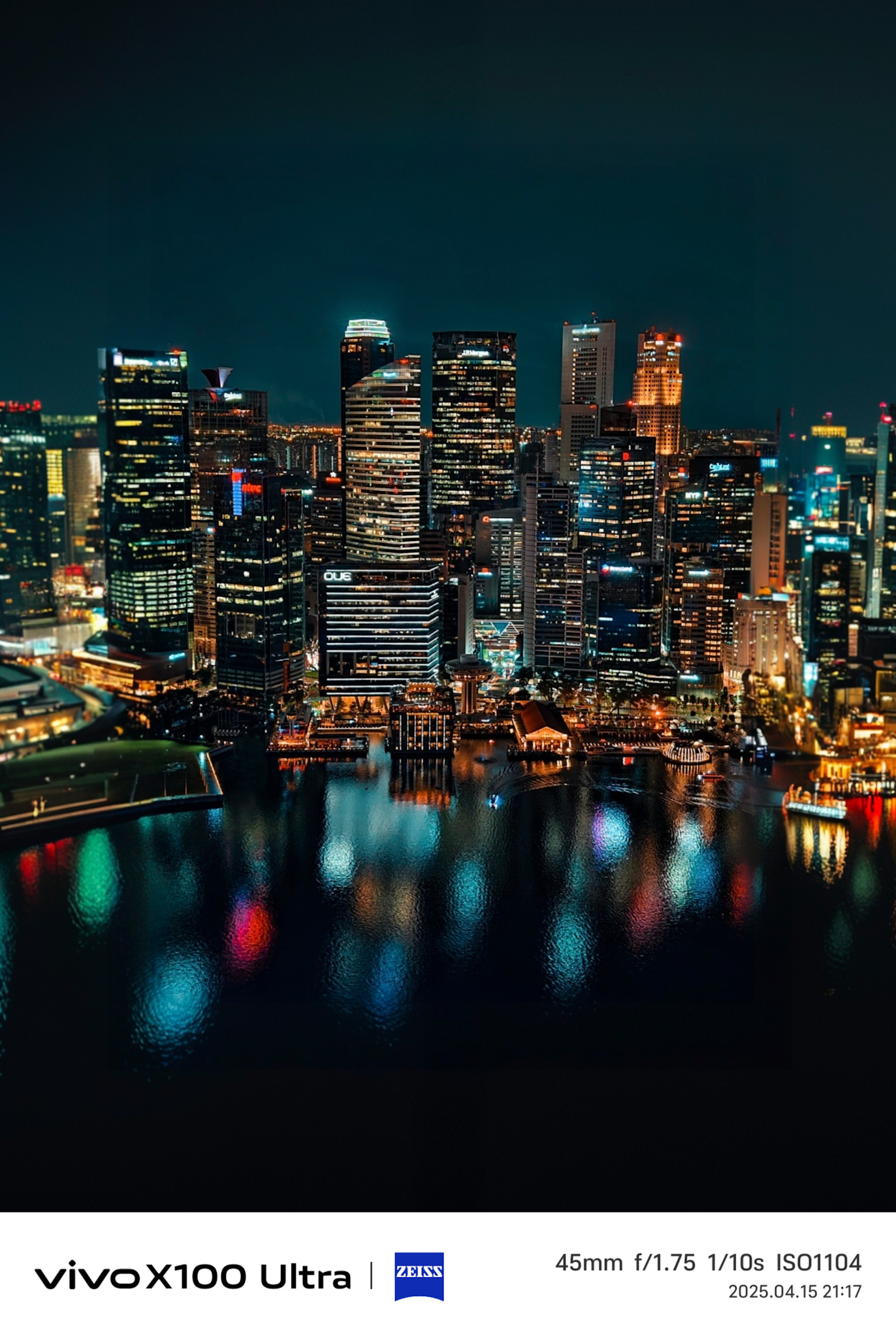
- Main Sensor: A 50MP 1-inch Sony LYT-900 sensor delivers stunning detail, dynamic range, and low-light performance that rivals mirrorless cameras.
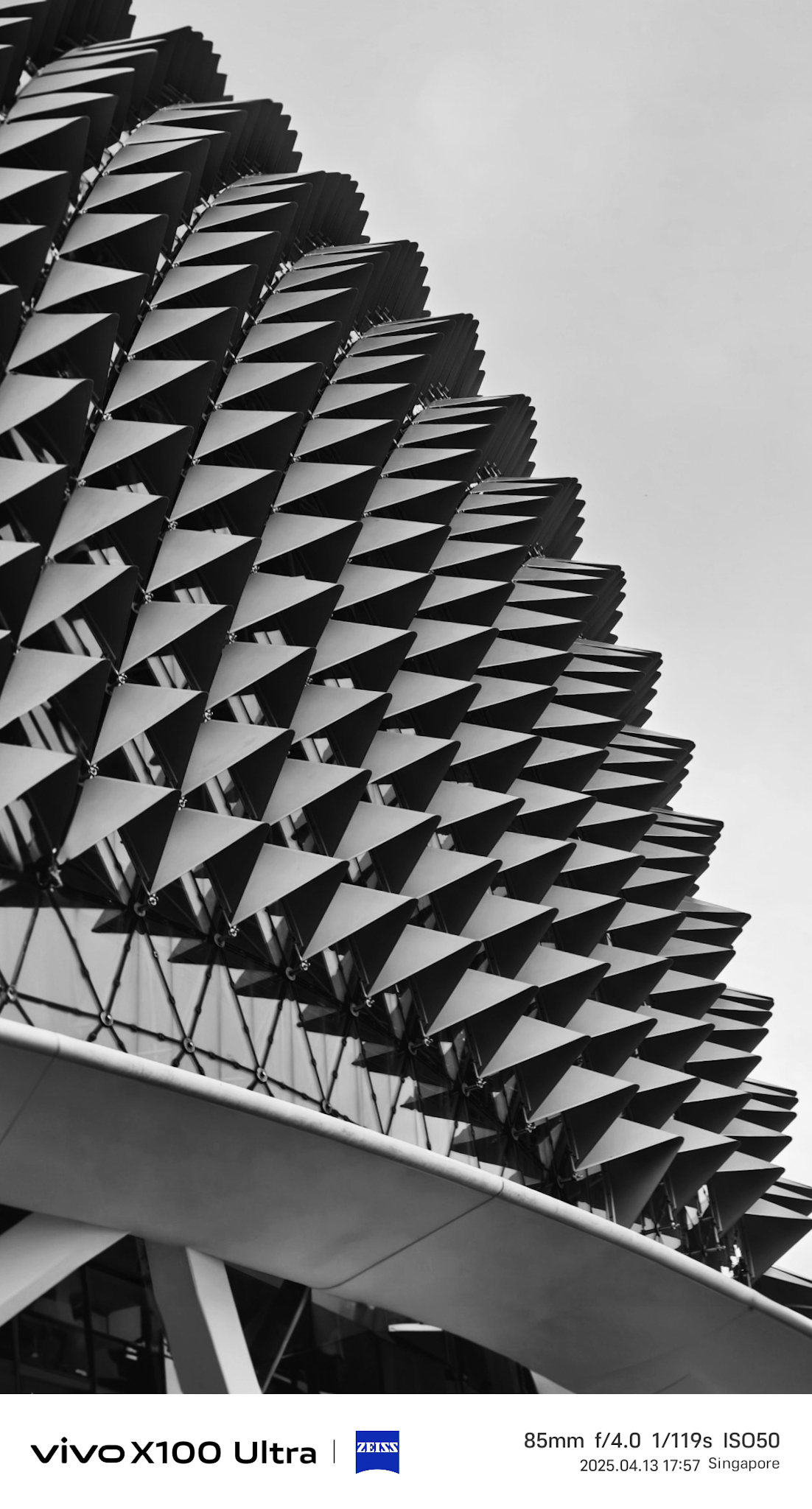
- Periscope Telephoto: A 200MP (!) periscope lens with 3.7x optical and up to 100x digital zoom brings distant subjects closer with clarity that doesn’t crumble into a pixelated mess.
- Ultra-wide: The 50MP ultra-wide lens captures more of the scene without distortion, making landscape shots and group photos look effortlessly professional.
Vivo X100 Ultra main camera sensor sample shots.


200MP telephoto camera sample shots.


14mm ultra-wide camera sample shots.


But specs are just numbers—what really blew users away was the experience. The AI-enhanced computational photography, natural bokeh for portraits, and cinema-grade video stabilization made creators, vloggers, and everyday users feel like they have a DSLR in their pocket.
Final Thoughts: The Last of Its Kind
The Vivo X100 Ultra is a classic case of “if you know, you know.” It didn’t need a global launch to make waves—it simply showed up with top-tier hardware, smart software, and a bold attitude. It is more than just another flagship—it’s a landmark device that quietly defined what a smartphone could be. It delivered an uncompromising experience across the board: from its cinematic display and rock-solid battery life to its next-level camera system and premium build.
But what truly makes the X100 Ultra unforgettable is that it may very well be the last of its kind.
With the Vivo X200 Ultra now on the horizon, many will naturally gravitate toward “the latest and the greatest.” And while the X200 may offer faster processing and new AI features, it also comes with a surprising trade-off: a downgrade in the main camera sensor—a move that disappointed many loyal fans and mobile photographers alike.
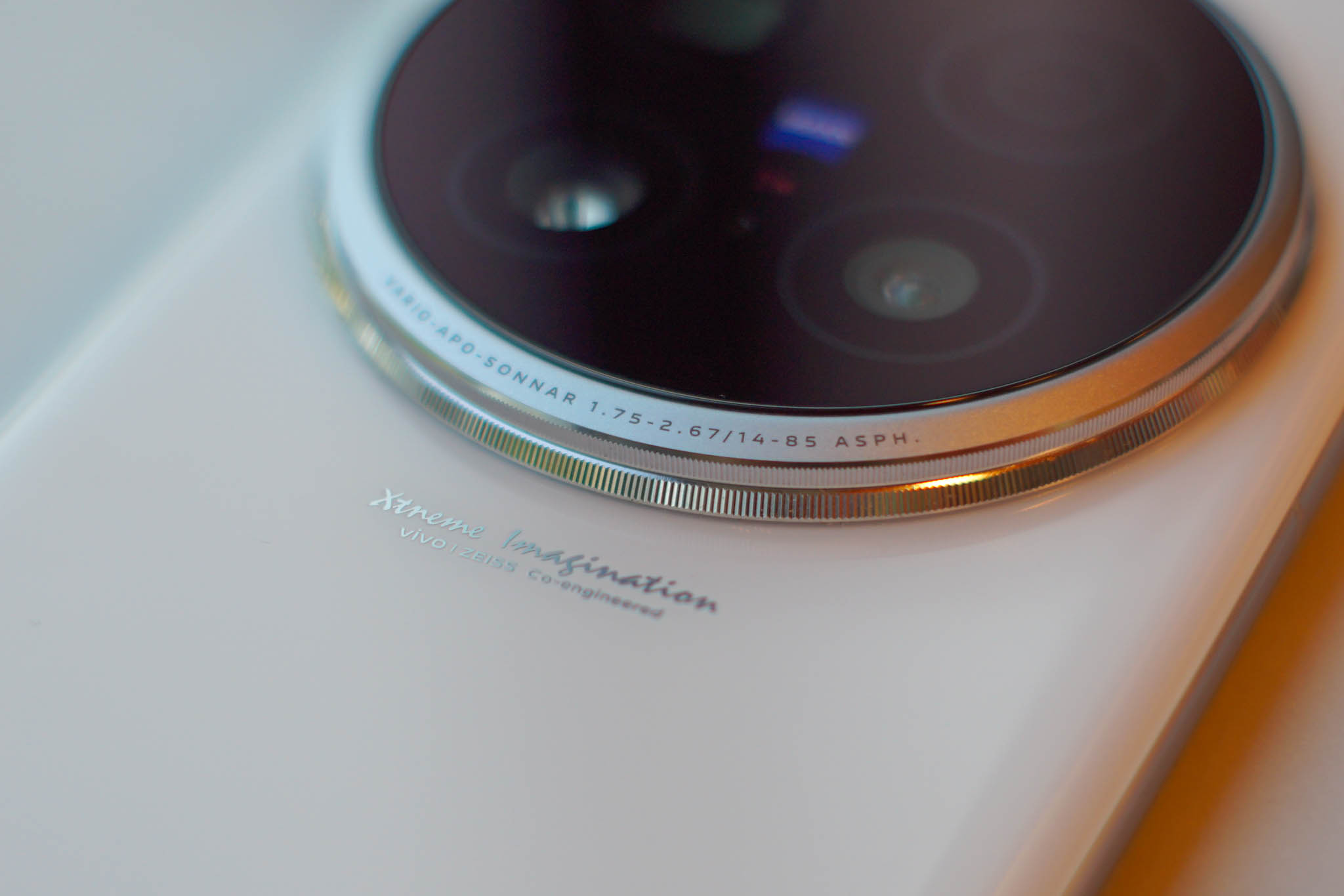

That’s why the X100 Ultra holds such a special place in the hearts of tech lovers. It wasn’t just a well-rounded phone—it was a no-compromise camera flagship, the kind we rarely see anymore. In many ways, it feels like a love letter to the mobile photography enthusiasts, a final chapter in an era when smartphone innovation meant more than just pushing numbers.
So for those who imported it, used it like me, or even just admired it from afar—the Vivo X100 Ultra isn’t just another release. It’s a moment. A benchmark. A legend that, even in the shadow of its successor, still shines.
 whereatmnl
Leave a comment