
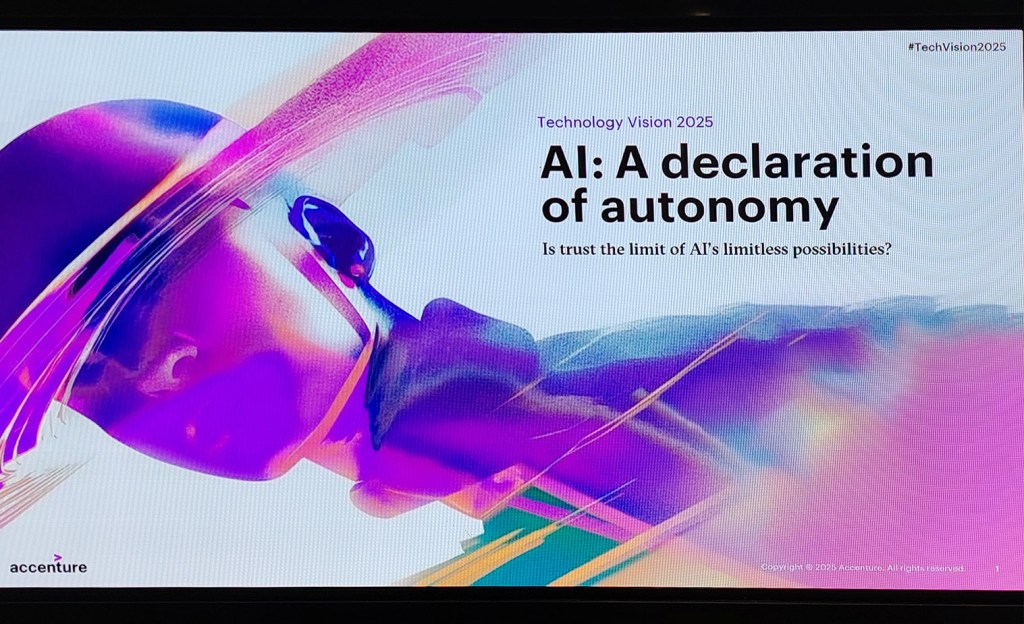
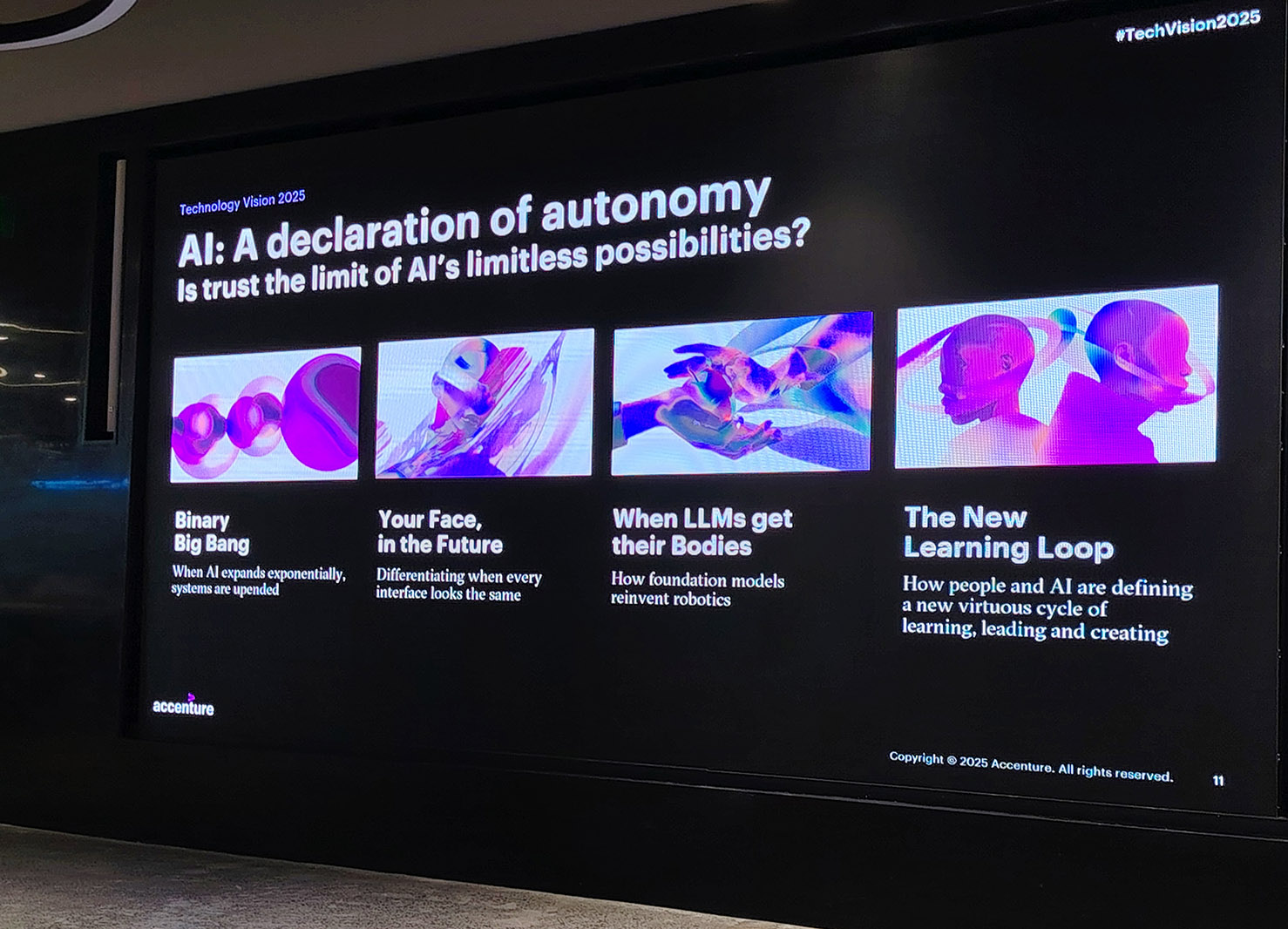
In its twenty-fifth iteration, this annual publication explores a future wherein AI-powered autonomy is materializing and generating widespread effects on how enterprises are reimagining technology development, customer experience, the physical world, and the global workforce. New findings from Accenture (NYSE: ACN) suggest that a novel era of digitization is emerging, characterized by AI’s continuous learning and its capacity to drive heightened organizational autonomy, thereby establishing trust in its performance as the most critical measure for its successful implementation.
The Accenture Technology Vision 2025, now in its 25th year, delves into the future being defined by AI-driven autonomy. With an unprecedentedly rapid adoption of AI across businesses and society, a significant majority of executives (69%) feel a heightened urgency to reinvent how technology systems and their enabling processes are designed, built, and operated. The research also forecasts AI’s expanding roles as a partner in technology development, a personal brand advocate, the driving force of robots in the physical world, and a catalyst for a new human-AI symbiosis that maximizes the strengths of both.
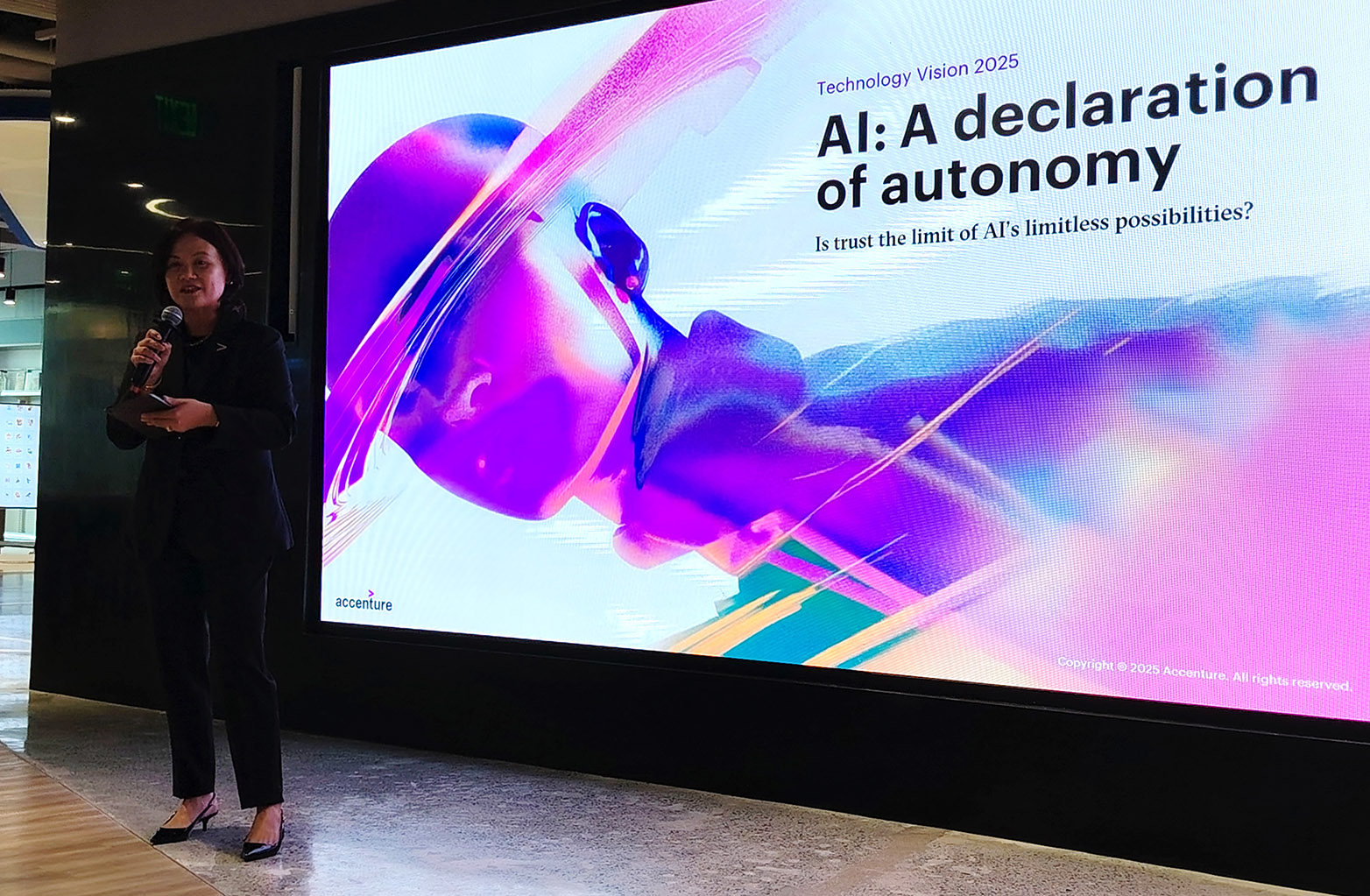
“Our 25th Technology Vision gives leaders a look into what’s ahead when Al continuously learns, acts autonomously with and on behalf of people, and pushes enterprises and the people who use it into new and exciting ways to continuously reinvent,” said Julie Sweet, chair and CEO, Accenture. “But unlocking the benefits of Al will only be possible if leaders seize the opportunity to inject and develop trust in its performance and outcomes in a systematic manner so businesses and people can unlock Al’s incredible possibilities.”
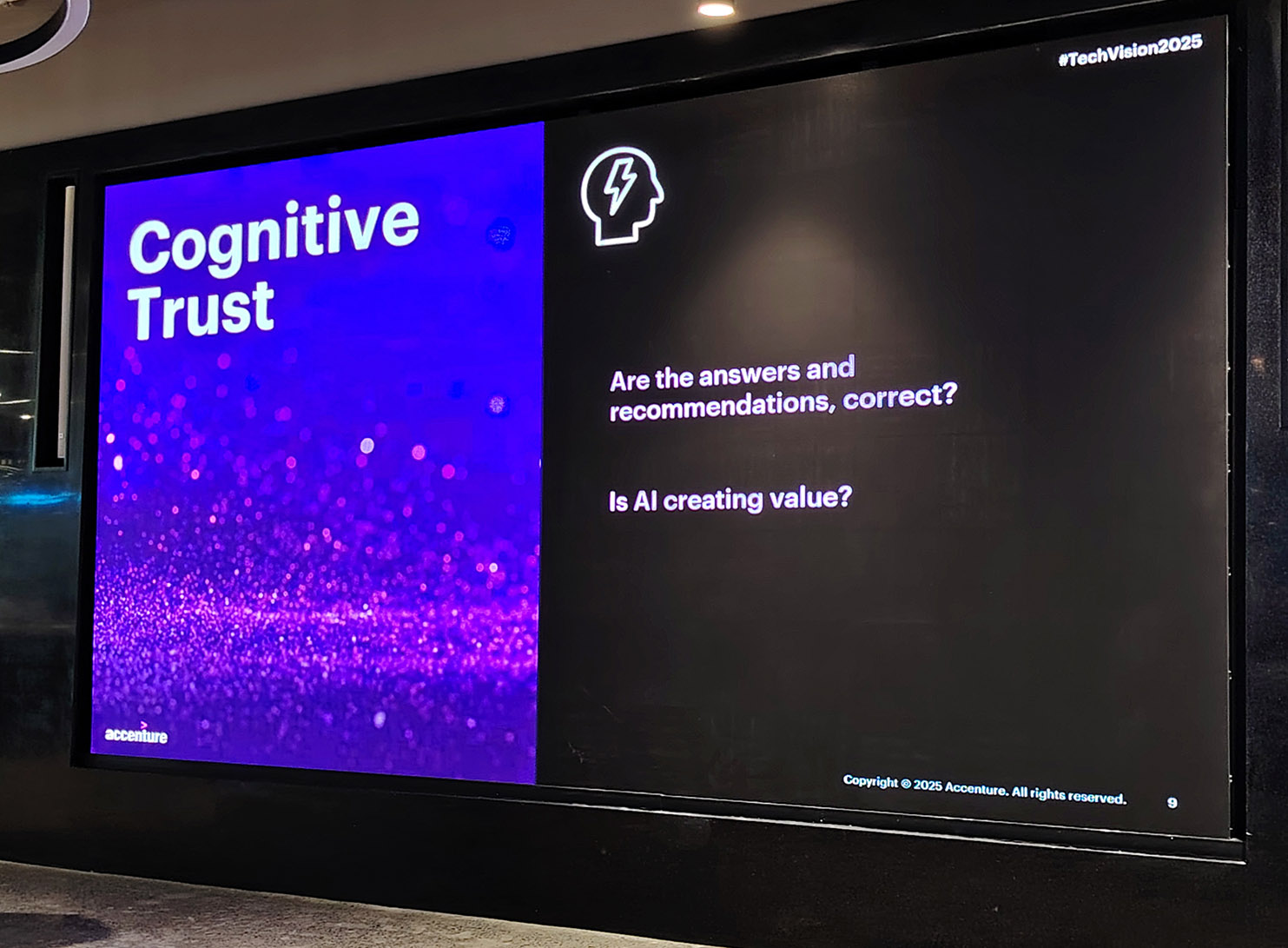
Trust in AI’s just and predictable performance, more than just its technical aspects, is key to unlocking its anticipated broad and positive impact. This requires accurate, predictable, consistent, and traceable digital systems and AI models, alongside responsible use. Most executives (77%) believe trust is fundamental to realizing AI’s full benefits, and even more (81%) agree that trust strategy must evolve with technology strategy.
“Advancements in digitizing knowledge, new Al models, agentic Al systems and architecture enables enterprises to create their own unique cognitive digital brains.” said Karthik Narain, group chief executive – Technology and CTO, Accenture. “While conventional technologies have long supported pre-determined business needs, this is a generational moment of transition. The autonomy created by these generalized Al systems can help organizations be more dynamic and intention-driven than ever It will allow leaders to rethink how digital systems are designed, how people work, and reinvent how they create products and interact with customers. But trust underpins it all, as systems will only ever be as autonomous as they are trustworthy.”
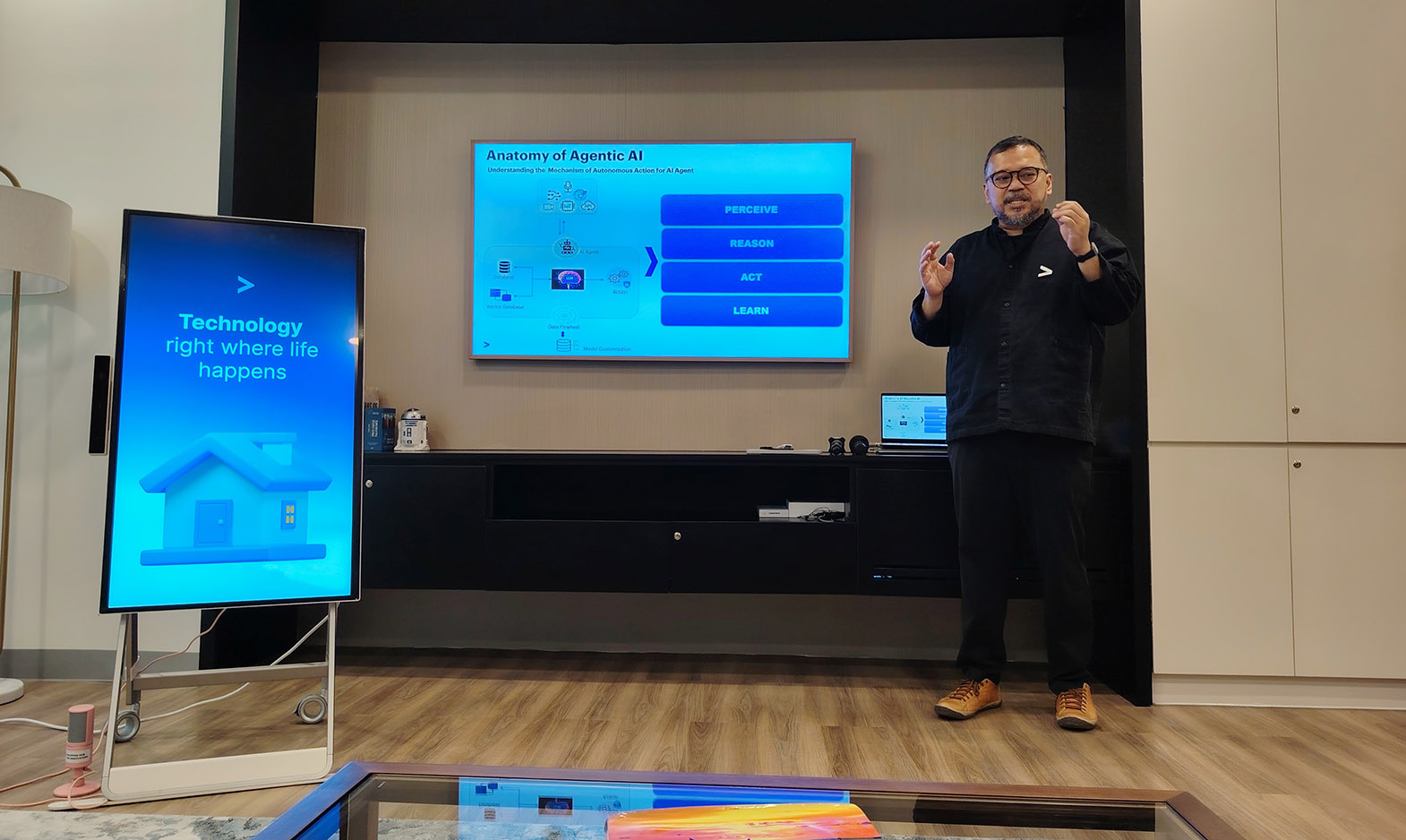
The Accenture Technology Vision 2025 explores how generative AI will impact technology development, customer experience, the physical world, and the workforce. The natural language breakthrough of foundation models initiated a fundamental shift in software development ecosystems. Generative AI coding assistants are already elevating developers to systems engineers, democratizing code, and digitizing businesses faster. The resulting rise of custom systems and advanced AI agents is driving a change from static application architecture to intention-based frameworks and agentic systems. As multi-agent systems become more capable and personalized, their enhanced competence will lead to wider adoption in managing processes and functions like travel and inventory. Accenture’s GenWizard, SynOps, and AI Refinery platforms are enabling this future by offering pre-built industry agents and workflows to accelerate the creation and value of specialized multi-agent systems.
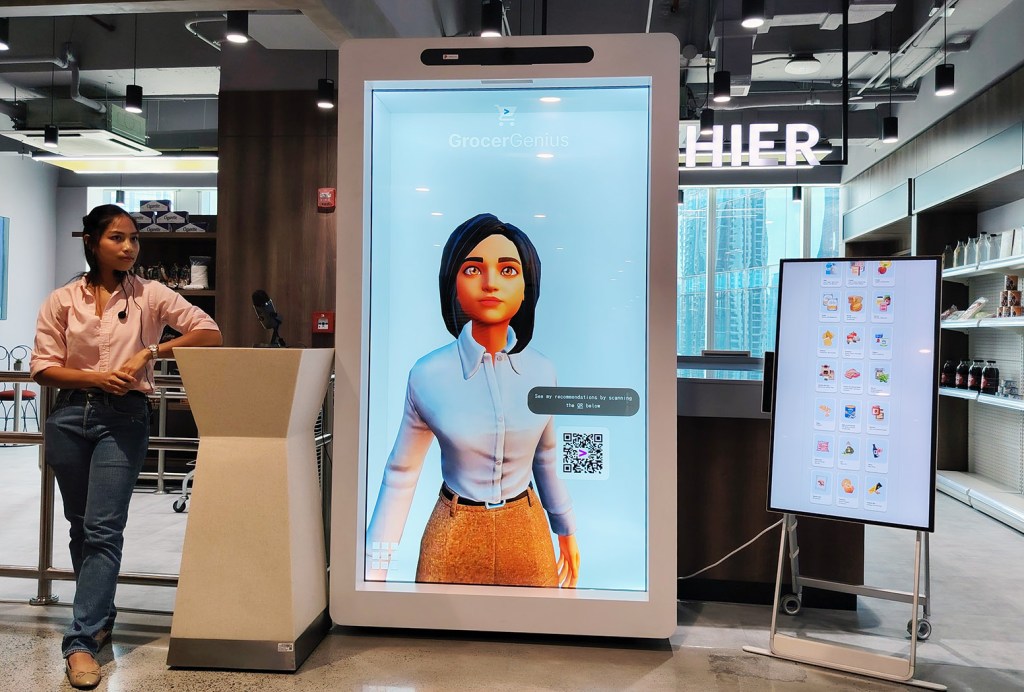
Although companies are rushing to use AI for customer contact, the Accenture Technology Vision 2025 points out that brand differentiation hinges on unique AI experiences. While 80% of executives fear LLMs and chatbots will create similar brand voices, 77% believe brands can differentiate themselves by proactively building personified AI experiences and integrating their distinct culture, values, and voice into the AI’s digital intelligence.
The Accenture Technology Vision 2025 forecasts the emergence of adaptable generalist robots within the next decade, enhancing AI autonomy in the physical world. These robots will quickly learn and specialize, as demonstrated by KION Group’s collaboration with Accenture and NVIDIA to optimize AI-powered warehouse robots that learn from staff to improve efficiency. Most executives (80%) anticipate that robots learning with people will boost trust and collaboration.
A virtuous cycle is forming between people and AI: more use leads to improvement, driving further adoption. Unlike traditional automation’s static benefits, this new AI era offers continuous skill enhancement. Leaders (80%) prioritize a positive human-AI relationship, emphasizing communication to address automation concerns. Accenture’s Generative AI Scholars Program with Stanford Online aims to upskill clients in gen AI. Additionally, providing employees with “digital sidekicks” can unlock new skills and increase gen AI tool usage, leading to significantly more positive technology perceptions.
 whereatmnl
Leave a comment